CDM Center

We are professionals in the emission reduction and clean energy markets.

  • HOME
  • ABOUT US
  • SERVICES
  • PROJECT PHOTOS
  • NEWS
  • CONTACT US
  • GUESTBOOK
  • IMPRESSUM
  • LINKS
  • 简体中文
You are here: Home / Archives for CDM Center

Durban Platform – The Way for Global Climate Treaty by 2015

January 14, 2012 by CDM Center

ss

At the longest climate conference on record, parties to the United Nations Framework Convention on Climate Change (UNFCCC) were able to make significant progress towards a global deal at COP17 in Durban, South Africa. By the end of the meeting, the Durban Platform for Enhanced Action was agreed to by 190 nations with the intention to “develop a protocol, another legal instrument or an agreed outcome with legal force under UNFCCC” to reduce greenhouse gas (GHG) emissions linked to climate change. While the Durban Platform should be signed and submitted no later than 2015, the actual implementation would not likely come into force until 2020. One of the most significant results of the Durban Platform was a redrawing of the 1992 OECD-based developing/developed country categorization. With no mention of the coveted phrase that nations have “common but differentiated responsibilities and respective capabilities,” all nations including those developing ones like China and India will be covered under a legally-binding agreement.

Kyoto Protocol

In addition to a roadmap for a more comprehensive climate treaty, the EU and nine other nations also pledged to take new emission reduction targets under the Kyoto Protocol that will enter into force in 2013. While only ~15% of total global GHG emissions will now be covered, it was a very significant outcome that was crucial to call Durban a success. On the opposing side, both Japan and Russia have said they will not sign up to a second commitment period while Canada has pulled out of Kyoto all together. The jury is still out on what Australia and New Zealand plan to do. It has yet to be determined whether the new targets will extend out to 2017 or 2020.

Green Climate Fund

Parties also agreed upon the structure for a new international Green Climate Fund (GCF) that will raise $100 billion a year by 2020. Leading up to this, the recommendations presented by the Transitional Committee set up at COP16 in Cancun were welcomed. While making progress on design issues of the GCF was important, delegates failed to find a way forward on actually capitalizing the fund. Along these lines, the suggestion to place a tax on international shipping emissions did not materialize at the negotiations due to opposition from U.S. and others.

Market Mechanisms

The fate of the Clean Development Mechanism (CDM) was secured at COP17 with the extension of the Kyoto Protocol thanks in large part to the European Union. In other related news, Carbon Capture and Storage (CCS) projects will now qualify for offset credits under the CDM. The other Kyoto project-based mechanism, namely Joint Implementation (JI), has not yet been extended beyond 2012. More broadly, parties agreed to define a new market mechanism (NMM) that will be central in a future climate treaty. Delegates will shoot to prepare recommendations at COP18 for NMMs such as:
-Sector-based crediting under the CDM
-Nationally Appropriate Mitigation Actions (NAMAs)
-Japan’s Bilateral Offset Crediting Mechanism (BOCM)
-Reduced Emissions from Deforestation and Degradation (REDD+)

REDD+

Well received by the private sector, parties agreed that “appropriate market-based approaches” to reduce emissions from deforestation and degradation
(REDD) can in fact be developed. In other REDD+ news, it was decided that joint mitigation and adaptation approaches could be developed to support future projects. While making the role of markets explicit was significant, there was little progress on rules and measures in Durban to ensure the environmental integrity of a REDD+ mechanism.
by Christopher Porto – Dec 2011

s

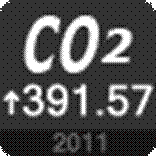
The 2011 average annual concentration of CO2 in the atmosphere (Mauna Loa Observatory) is 391.57 parts per million (ppm).
For the past decade (2002-2011) the average annual increase is 2.07 ppm per year. The average for the prior decade (1992-2001) is 1.6 ppm per year. Annual Data for 2011 was first posted January 5, 2012, by the National Oceanic and Atmospheric Administration (NOAA) in the United States.
Since the 1958 start of precision CO2 measurements in the atmosphere, the annual mean concentration of CO2 has only increased from one year to the next.
The following CO2 Data provide a simple view of the annual trend and the decisions / progress made for climate change treaty by the international community.

Year CO2 (ppm) Notes
2011 391.57 Durban Platform
2010 389.78 Cancun
2009 387.38 Copenhagen Accord
2008 385.59
2007 383.77
2006 381.90
1997 363.71 Kyoto Protocol
1992 356.38 Earth Summit in Rio de Janeiro
1987 349.16 The last year when the annual CO2 level was less than 350 ppm
1959 315.97 The first year with a full year of instrument data

Filed Under: News

Sino-German energy ties to reach ‘new level’

May 23, 2011 by CDM Center

Three scientists from Germany, one from the United States and one from France have been elected to be the winner of the International Cooperation Award in Science and Technology . One of the international well known award winners is Klaus Toepfer, a German environmental-planning specialist.

Congratulation Dr. Klaus Toepfer

Congratulation Dr. Klaus Toepfer

“It was a very remarkable and outstanding day for me. I am most honored and extremely happy to receive this prestigious award,” said 73-year-old Toepfer on January 14, 2011 after the award ceremony. “But the award is given for what we did, and there is a challenge to do more in the future.” Toepfer worked together with China’s leading environmentalists to establish the country’s first environmental policies.

His “long and lasting love affair” with China dates back to the time when he was the federal minister for environment in Germany in the 1980s. In those days, he said, environmental issues were not very high on China’s agenda, as the country set its sights on economic development.

“China has achieved an economic miracle that people admire with its double-digit percent annual growth rate. But China, like the rest of the world, faces the same challenge: that economic development is externalizing costs on the environment,” he said. “Nobody can imagine that China will not, cannot, or should not, stop its economic development. The real challenge is: we make the need for development a reality without overburdening the capacity of the environment,” he added.

Putting green development, a low-carbon economy and energy efficiency at the heart of its 12th Five-Year Plan (2011-2015), sent a strong signal of a paradigm shift in China’s growth model, he said. “The concept of a low-carbon economy does not mean no-economy, but another kind of economy, one that will not overload the environment and hinder economic development in the future.

“Sustainable development is a balancing act of three aspects: economic development, social justice and stability,” he said.

Filed Under: News

CSP Concentrating Solar Power Plant

May 22, 2011 by CDM Center
50 MW First Commercial Project in China will start in 2011

50 MW First Commercial Project in China will start in 2011

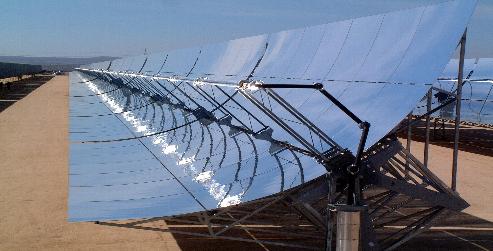
Solar thermal energy is a technology for using solar energy for thermal energy (heat). Solar thermal collectors are classified as low-, medium-, or high-temperature collectors. Low temperature collectors are flat plates generally used to heat swimming pools. Medium-temperature collectors are also usually flat plates but are used for heating water or air for residential and commercial use. High temperature collectors concentrate sunlight using mirrors or lenses and are generally used for electric power production with a steam generator system. CSP is different from photovoltaic, which convert solar energy directly into electricity. While only 800 megawatts of solar thermal power is up and running worldwide

China will install its first 50 MW CSP Power Plant in 2011.

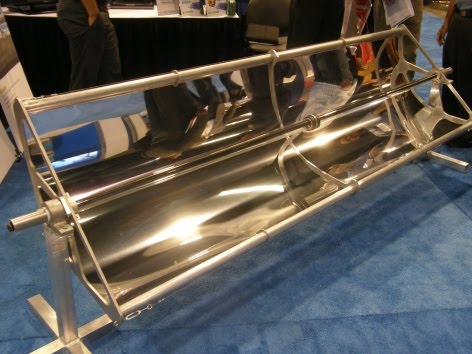
Line-concentrating parabolic trough Collectors

Un axially track the sun across the sky. The radiation, focused by a factor of about 80, is absorbed by a blackened absorber tube located in the focal line of the trough. Synthetic oil circulates through the tubes and is heated to about 400 °C. The hot oil is then used for steam generation to operate a conventional power plant. In California this solar power technology is in operation since the late 1980 in nine solar thermal power plants with a total power output of 354 MW . Since 2006 new commercial plants of this type are under construction, starting in Spain and in the US.

CDM Center of Excellence is involved in the project realization and has built up a consortium of local and international partners with broad experience and testemony in CSP Projects in Spain and US.

Filed Under: News

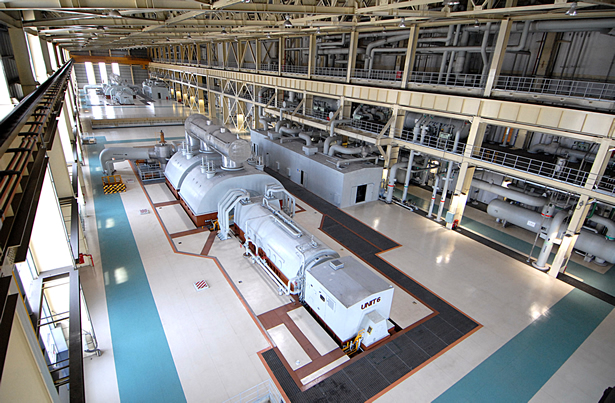
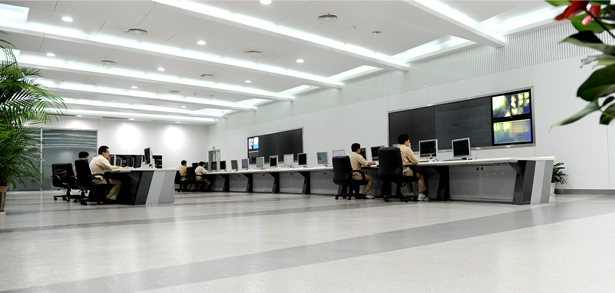
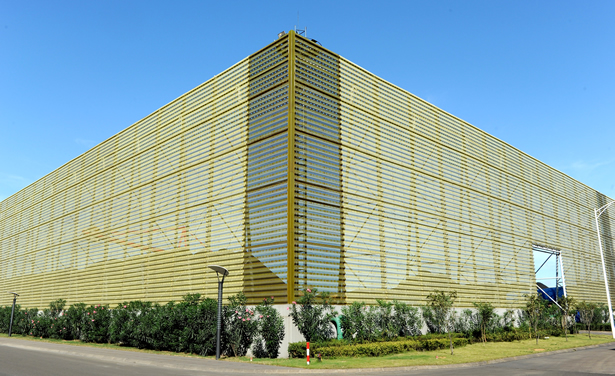
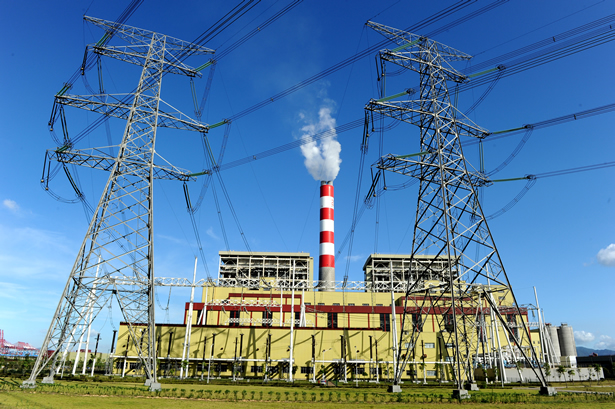
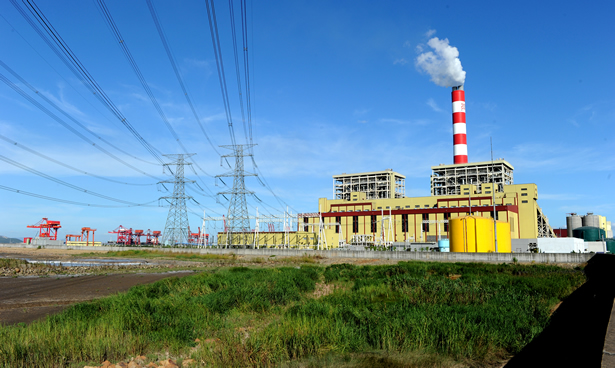
Beilun Ultra-supercritical Project

May 20, 2011 by CDM Center

Beilun Ultra-supercritical Project

Beilun Ultra-supercritical Project

Beilun Ultra-supercritical Project

Beilun Ultra-supercritical Project

Beilun Ultra-supercritical Project

Beilun Ultra-supercritical Project

Beilun Ultra-supercritical Project

Beilun Ultra-supercritical Project

Filed Under: Projects

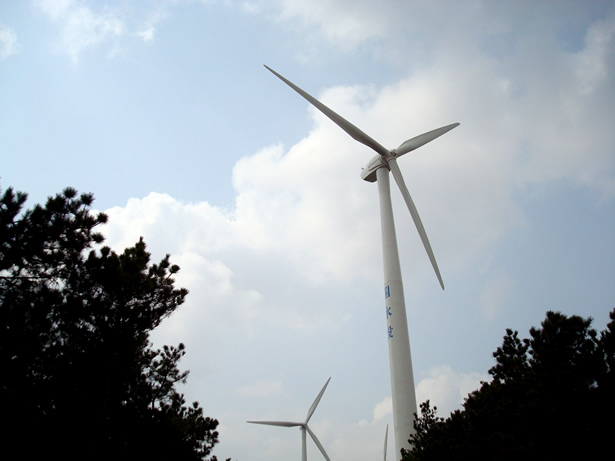
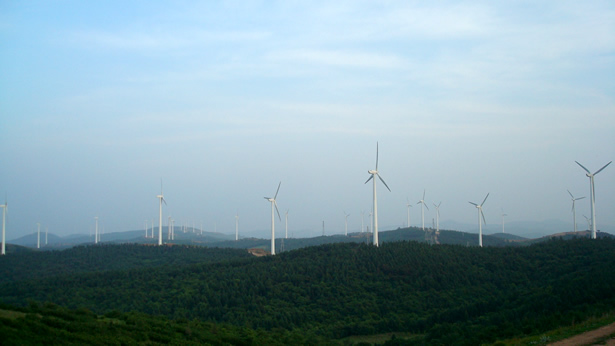
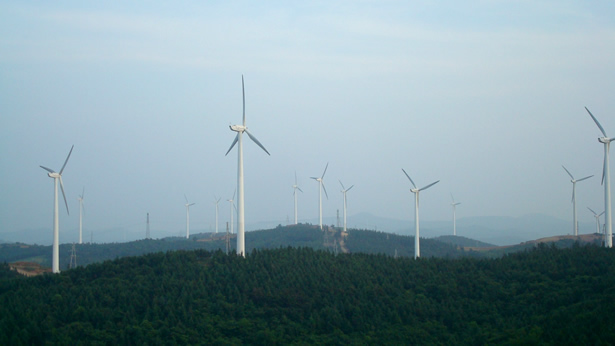
Diaobingshan Windpower

May 20, 2011 by CDM Center

Diaobingshan Windpower

Diaobingshan Windpower

Diaobingshan Windpower

Diaobingshan Windpower

Diaobingshan Windpower

Diaobingshan Windpower

Filed Under: Projects

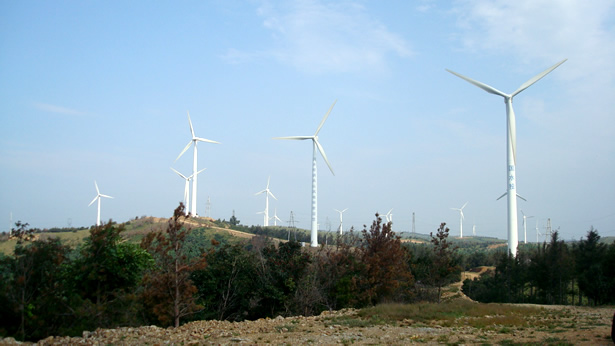
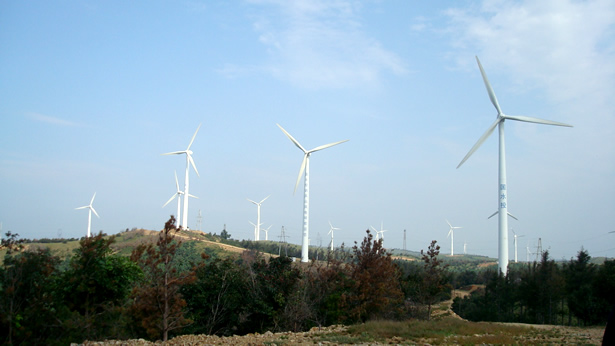
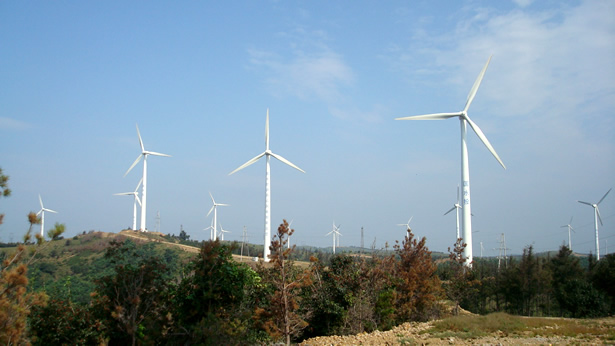
Zhanjiang Wind Farm

May 20, 2011 by CDM Center

Zhanjiang Wind Farm

Filed Under: Projects

CDM Center of Excellence – CCS – Capacity Building Program

May 20, 2011 by CDM Center

China has taken a leading role in utilizing many green technologies and is expected to be a major market for carbon capture and storage technologies, said industry leaders at a CDM Center Capacity Building Program in Beijing.

China, is aiming for many more years of rapid growth fuelled by coal as its main energy source. Scientists are stepping up efforts to limit emissions by capturing and storing them. But experts say the technology for carbon capture and storage (CCS), as the technology for confining emissions is usually known, is costly and parts of it are unproven.

Here are some key questions and answers about CCS in China:

WHAT ARE THE ADVANTAGES OF CCS? The technology would in theory allow China to continue fuelling growth with coal, while controlling or even cutting the amount of carbon dioxide pumped into the atmosphere. Some carbon-stripping technology could be retro-fitted onto existing power plants, avoiding the need to start rebuilding chunks of the nation’s power infrastructure from scratch.

WHAT ARE THE DRAWBACKS? The technology for capturing carbon dioxide is expensive and energy-intensive, reducing the amount of electricity generated for each tonne of coal and increasing its cost. The technology for storage is still in the early stages.Geologists need to check how easily gas can be injected into a potential store, and whether there are risks of leaks. There is also no consensus yet about issues such as creating stores in earthquake-prone areas, where they could crack open.Some areas suitable for holding large quantities of gas may also be far from the power plants and factories pumping it out.
huaneng-shanghai

WHAT ARE THE POSSIBLE METHODS? There are many different options for capturing carbon.China’s first commercial-scale demonstration plant — now under construction — will have pre-combustion capture, where coal is gasified and CO2 stripped out leaving hydrogen as a fuel.Other options could allow CCS at existing coal-fired plants. One is scrubbing the pollutant out of waste gases after coal has been burned, which does not require building new infrastructure, but can be very energy intensive. The oxyfuel method burns coal with oxygen rather than air, producing CO2 and water vapour, making capture easier. Much discussion of CCS has focused on power plants but it could be used in other sectors with high emissions, like steel. China also has nearly 200 chemical plants with high-purity streams of CO2 that could be used for low-cost trials projects.

WHAT PORTION OF CHINA’S EMISSIONS COULD BE CAPTURED? A recent study conducted with the European Union suggested that China could reduce emissions 36 percent from a base scenario for 2050 if it poured resources into carbon control plans including building 400 gigawatts of power plants with CCS. This is a massive amount, equivalent to nearly five times Britain’s current capacity — but amounts to less than half China’s own installed power capacity even now.

WHAT ARE CURRENT STORAGE OPTIONS? One option is oil and gas reservoirs that have been emptied of much of their reserves. Oil firms already use carbon dioxide to help extract more fuel from emptying reservoirs, and the extra crude or gas gained can help offset costs. But in China these can only hold a finite portion of forecast emissions and there are fears some could leak out through the thousands of old wells scattered across many fields. Other options such as saline aquifers deep underground, or coalbeds deemed “unmineable”, offer more storage potential but are still being investigated by scientists.

WHAT HAS CHINA DONE SO FAR? China has a handful of pilot carbon capture and storage projects under development, including one demonstration plant in Beijing, where the gas siphoned off is used to carbonate drinks. Construction has started on the GreenGen power plant that should start power production in 2011 and carbon capture in 2016. China’s biggest coal producer, Shenhua Group, also announced this year that it would install a CCS facility at its coal-to-liquids plant in Ordos, Inner Mongolia. Due to its high cost and unresolved safety issues, it’s unlikely that CCS will be commercialized in China soon.

Storing the carbon dioxide will become as very big challenge as volumes become larger, said CDM Center analysts. The risk exists that the carbon dioxide could leak back into the atmosphere exist, said Liu Shuang, climate and energy project director of Greenpeace China. However, China is very likely to need CCS in the next 20 or 40 years to address climate change, as the scale of the renewable energies would be limited, so China should catch up in the initial period.

Both research institutes and companies have shown great enthusiasm for the technology, but commercialization will take time due to high costs and safety issues, said CDM Center of Excellence Ltd. Market Analysts. “Carbon capture and storage (CCS) is a tough issue but there’s an opportunity. If it can make sense in any place, China can take the leadership,” Christoph Frei, secretary-general of World Energy Council. China has outperformed in many aspects of renewable energies and pulled down the price of new energy, particularly in the solar energy sector, Frei said. “China will become a major market for carbon capture,” Philippe Joubert, Alstom Power president, told. The cost of CCS would decline “very quickly” if all countries invested, said Joubert. The French power generation equipment company plans to provide CCS solutions commercially in 2015. A pilot program may be announced in the next two years on a partnership with local Chinese utilities, said Philippe Paelinck, director of carbon dioxide systems business development at Alstom.The components of its future CCS projects in China, such as boilers, will be locally produced in China to cater to local conditions and lower cost, he said. Some State-owned enterprises, such as Shenhua Energy Co and China Huaneng Group, have started CCS pilot projects in cities including Beijing and Shanghai. “Both companies and research institutes are enthusiastically involved in CCS,” said Chen Wenying, a professor at Tsinghua University. All three major CCS technologies, post-combustion capture, oxy-firing and pre-combustion, plus some more advanced technologies, are in their experimental stages at Tsinghua. The demonstration projects mainly use domestically developed technologies. In a future joint demonstration project with the European Union, some technology transfers may be involved, CDM Center of Excellence analysts said. “China is not lagging behind in all core technologies, but compared with international peers, little effort has been made on storage site studies and crisis management. China may levy a carbon tax during the 12th Five-Year Plan (2011-15), which may encourage coal-fired power plants to adopt new technologies such as CCS to mitigate carbon emissions, CDM Center analysts informed.

Filed Under: News

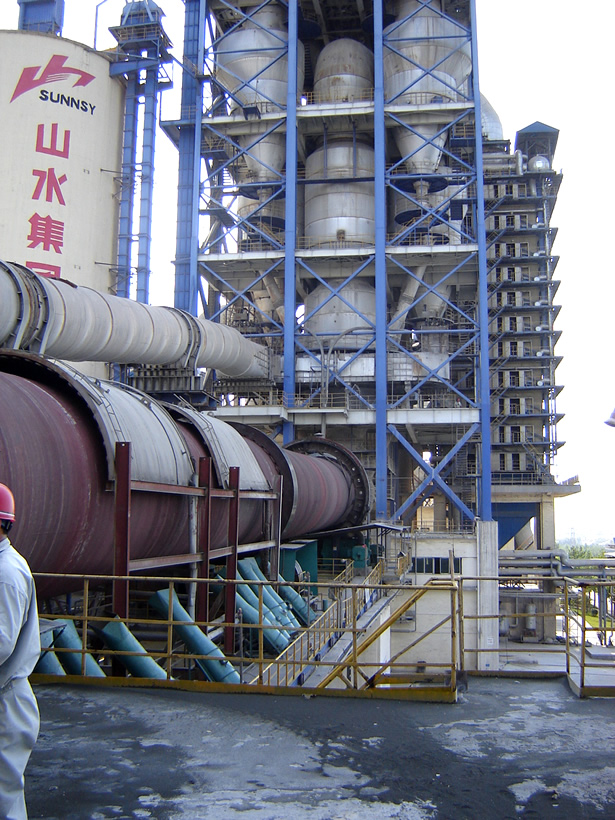
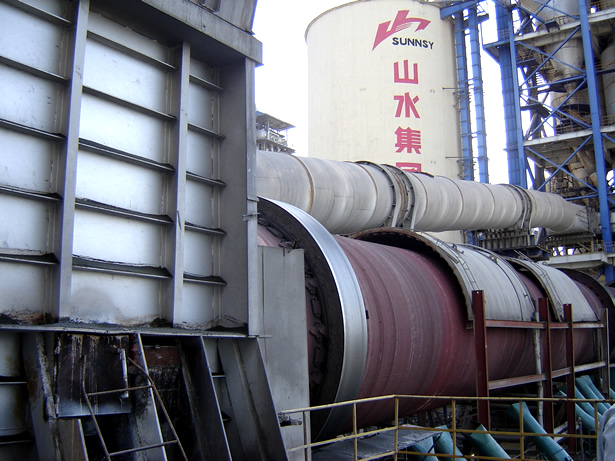
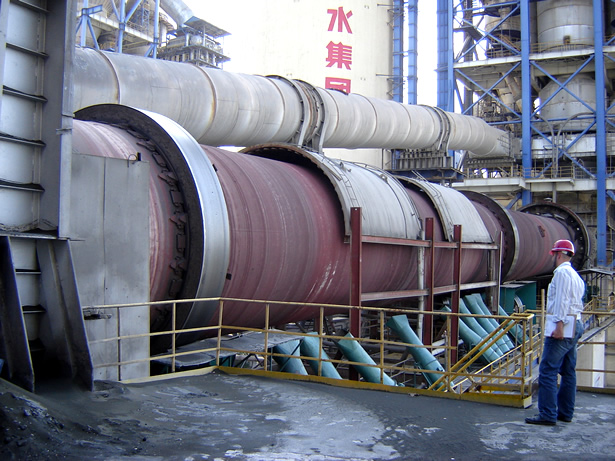
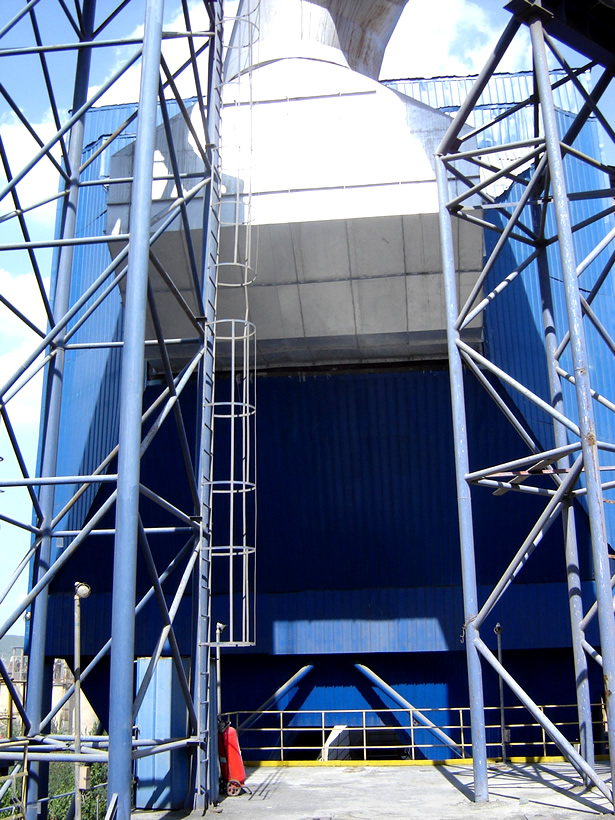
Zibo WHR

May 19, 2011 by CDM Center

Zibo WHR

Zibo WHR

Zibo WHR

Zibo WHR

Zibo WHR

Zibo WHR

Zibo WHR

Filed Under: Projects

CSP Manufacture

May 19, 2011 by CDM Center

CSP Manufacture

Filed Under: Projects

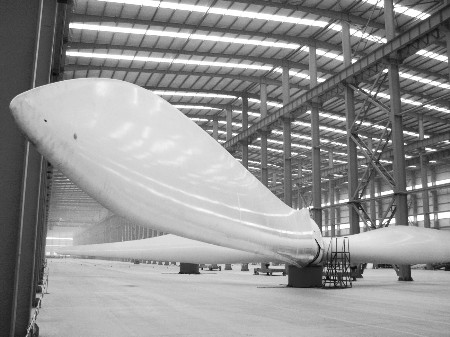
Wind Turbine Manufacture

May 19, 2011 by CDM Center

Wind Turbine Manufacture

Filed Under: Projects
« Older Posts

CDM Center of Excellence Ltd.

Add.: Golden Land Building - Office 1302A
32 Liangmaqiao Lu, Chaoyang District
100125 Beijing, PRC
Phone: ++86 10 64614860, 64614559
Fax: ++86 10 64614539
Email: info@cdmcenter.com

Copyright © 2011 CDM Center of Excellence Ltd.

Address: BEIJING GOLDEN LAND BUILDING OFFICE 1302A, LIANGMAQIAO LU 32, CHAOYANG DISTRICT, BEIJING 100125, PRC

Phone: +86-10-64614860, 64614559   Fax: +86-10-64614539

Email: info@cdmcenter.com

www.cdmcenter.com · Supported by Tsinghe Web Design